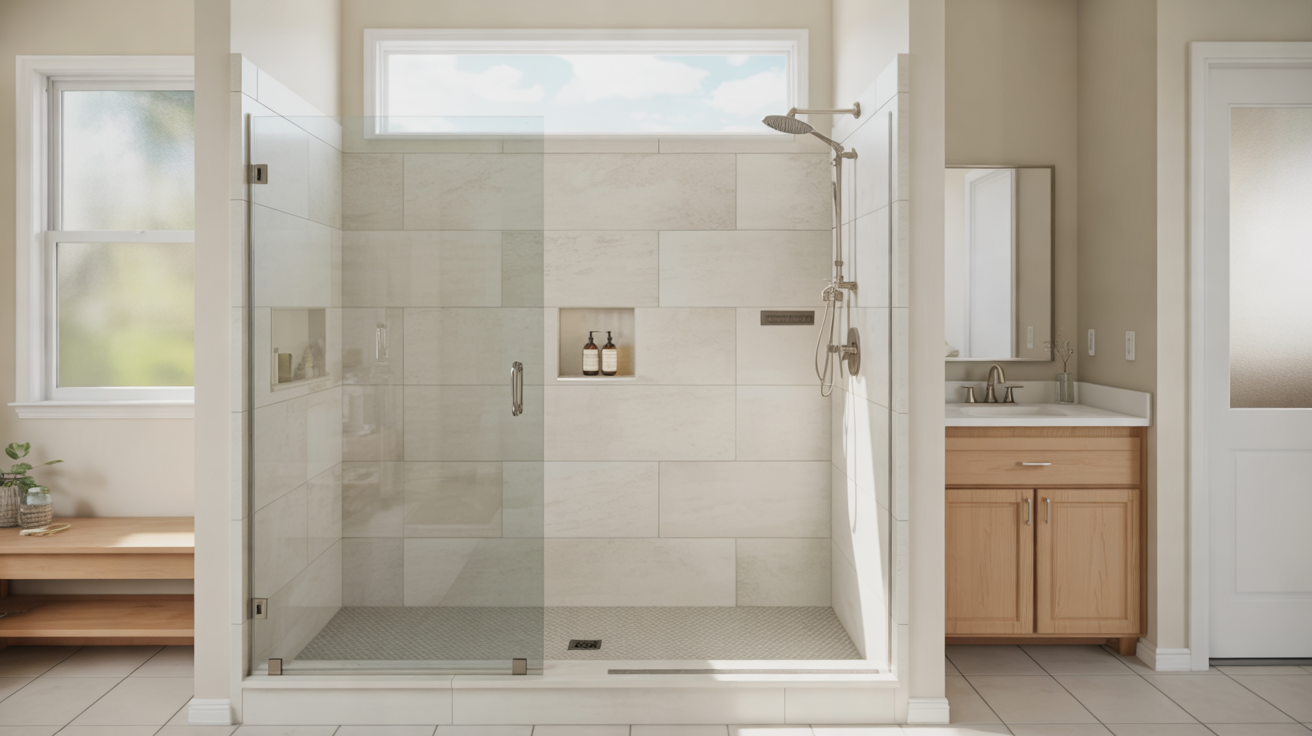
Replacing a shower is one of those projects that looks straightforward on TV but gets complicated in real life. Between hidden plumbing, waterproofing, and code requirements, choosing between DIY and professional shower replacement has real consequences for your budget, your stress level, and the long-term health of your bathroom.
This page walks through the key differences in risks, costs, and results so you can make a clear decision that fits your skills, schedule, and goals.
DIY vs. Professional: The Core Trade-Offs
At a high level, the choice comes down to three questions:
- How complex is your project? Simple shower stall swaps are very different from full gut renovations.
- How comfortable are you with plumbing, framing, and waterproofing? Basic tools are not enough if you have never opened walls or moved drains.
- How much risk are you willing to take? Water leaks, mold, and failed inspections can erase any savings from a DIY approach.
Understanding what is truly involved in a shower replacement helps you avoid expensive surprises either way.
Risks of DIY Shower Replacement
DIY shower replacement can work in certain situations, but it carries some specific risks homeowners often underestimate.
1. Hidden Water Damage and Mold
Showers are high-moisture areas, and water has a way of finding gaps and weak points. When you remove an old shower, you may uncover:
- Rotten or soft subflooring
- Mold on studs or insulation
- Previous improper repairs or patches
If these issues are not diagnosed and repaired fully, new materials can trap moisture and allow damage to spread. Pros know how to spot subtle signs of moisture problems and when to bring in additional remediation.
2. Plumbing and Drain Mistakes
Connecting a new shower valve, drain, or shower pan may require cutting and joining supply and drain lines correctly, then testing for leaks under pressure. Common DIY mistakes include:
- Incorrect slope to the drain, leading to standing water
- Loose or poorly sealed drain connections that leak into the floor below
- Mixing incompatible materials and fittings
Even a small, slow leak can damage framing and ceilings over time.
3. Incomplete Waterproofing
Tile, stone, and many surrounds are not waterproof on their own. A proper moisture barrier or waterproofing membrane is essential. DIYers often:
- Skip waterproofing behind walls or around niches
- Use the wrong products in wet areas
- Misapply sealants and tapes at joints and corners
These errors can take months or years to appear, but by then repairs are far more invasive and costly.
4. Structural and Code Issues
Altering framing, enlarging a shower, or converting a tub to a shower may affect:
- Load-bearing walls or joists
- Required clearances and safety codes
- Ventilation requirements in the bathroom
Local codes govern aspects like drain sizing, mixing valve types, and safety glazing. Mistakes here can cause failed inspections or issues when selling your home.
5. Personal Safety and Time Pressure
Demolition and installation can involve heavy materials, sharp edges, power tools, and work in tight spaces. In addition:
- Your primary bathroom may be out of service for days or weeks
- Unexpected setbacks can extend the project far beyond your plan
- Stress increases if you are rushing to finish before guests or life events
Benefits and Limits of DIY Shower Replacement
Despite the risks, DIY can make sense in some circumstances.
When DIY Might Be Reasonable
- Simple swap of a pre-fabricated stall: Replacing an old acrylic or fiberglass unit with a similar one, with no changes to plumbing locations.
- Cosmetic-only work: Updating fixtures, replacing a shower door, or re-caulking without opening walls.
- Experienced DIYers: You already have skills in tiling, plumbing basics, and reading manufacturer instructions.
Where DIY Savings Disappear
Upfront savings can be appealing, but consider these longer-term costs:
- Re-doing work: If tile cracks, grout fails, or water stains appear on the ceiling below, repairs often mean re-opening finished walls.
- Insurance and resale: Improperly done work can complicate insurance claims and home inspections when you sell.
- Tool and material waste: Specialized tools and extra materials can offset expected savings, especially for one-time projects.
Advantages of Professional Shower Replacement
Hiring a qualified shower remodeling specialist typically leads to more predictable timelines and results.
1. Expertise in Waterproofing and Installation
Professional installers work with modern shower systems daily. They understand compatible products, correct sequencing, and manufacturer requirements, which reduces the chance of leaks and failures.
2. Comprehensive Project Management
A full shower replacement usually requires:
- Demolition and debris removal
- Framing and subfloor repairs if needed
- Plumbing and drain adjustments
- Electrical or lighting changes
- Waterproofing, walls, bases, doors, and trim
Professionals coordinate this sequence so you are not left guessing what comes next or how long it will take.
3. Code Compliance and Permits
Licensed contractors know local codes and permitting requirements and can help you avoid fines, delays, or future inspection issues. This is particularly important for:
- Walk-in showers and curbless entries
- Tub-to-shower conversions
- Senior-friendly or accessible upgrades
4. Better Long-Term Value
Professionally installed showers tend to last longer and perform better. That can mean:
- Lower risk of mold and structural damage
- A more polished appearance that helps resale
- Compatibility with manufacturer warranties on products
For a closer look at what pros handle behind the scenes, see the Common Shower Replacement Problems and How Pros Fix Them and Step-by-Step Shower Replacement Process: From Demo to Final Inspection guides.
Cost Comparison: DIY vs Professional
Every project is unique, but you can think about costs in three main categories: materials, labor, and risk.
| Cost Factor | DIY Shower Replacement | Professional Shower Replacement |
|---|---|---|
| Materials | You buy directly; potential savings but risk of wrong or low-quality products. | Pros may get better pricing and choose compatible systems that work together. |
| Labor | No direct labor charges, but many hours of your own time. | Upfront labor cost, but usually faster and more efficient. |
| Tools | Need to purchase or rent saws, levels, mixing tools, and safety gear. | Contractor supplies professional-grade tools and equipment. |
| Repairs & Rework | Any mistakes are your financial responsibility to fix. | Installation errors are typically addressed by the contractor. |
| Warranty Value | Limited coverage if installation is not done by a pro, depending on the product. | Often stronger manufacturer and labor warranties on installed systems. |
For a deeper dive into shower replacement pricing and how to budget, visit the Shower Replacement Cost Guide: Pricing Breakdown and Budget Tips.
How to Decide: DIY or Hire a Pro?
Use the following steps to decide which route fits your situation.
Step 1: Define the Scope of Work
- Are you simply replacing an existing shower with a similar unit?
- Do you plan to move walls, drains, or plumbing lines?
- Are you converting a tub to a shower or installing a walk-in design?
The more changes you make to the layout or structure, the more a professional makes sense.
Step 2: Be Honest About Your Skills and Time
- Have you successfully completed tiling, waterproofing, or plumbing projects before?
- Can you realistically set aside several days in a row for the work?
- Do you have a backup bathroom to use if the project runs long?
Step 3: Factor in Safety and Accessibility Needs
Showers for seniors, young children, or mobility challenges often need:
- Grab bars and secure backing in walls
- Non-slip flooring and safe thresholds
- Seats or benches positioned correctly
Professional guidance can be especially helpful for these features. You can explore more ideas in Senior-Friendly Shower Upgrades: Grab Bars, Seating and Non-Slip Floors and Family-Friendly Shower Designs for Busy Households.
Step 4: Compare Written Quotes to DIY Estimates
Price out your DIY option carefully, including:
- Materials and delivery
- Tool purchase or rental
- Disposal fees for old materials
Then compare that to written estimates from local shower replacement professionals. The gap may be smaller than you expect once you account for your time and risk.
For help interviewing contractors and understanding what to ask before booking, see the How to Choose the Right Shower Contractor for Your Project and Checklist: Questions to Ask Before Booking a Shower Replacement resources.
FAQs About DIY vs Professional Shower Replacement
Can I do part of the work myself and hire a pro for the rest?
Many homeowners handle lighter tasks like demolition or painting and hire professionals for plumbing, waterproofing, and final installation. Talk with potential contractors in advance so everyone is clear on responsibilities and warranties.
Is a professional replacement always more expensive overall?
Professional work usually has a higher upfront cost, but when you factor in tool purchases, your time, and the potential cost of fixing mistakes, it is often more cost-effective over the life of the shower.
Will a DIY shower replacement void my product warranty?
Some manufacturers require professional installation for full warranty coverage, especially for custom glass, shower systems, or waterproofing products. Always read warranty terms before deciding.
How long should a properly installed shower last?
With quality materials and correct installation, a shower can perform well for many years. Regular cleaning and maintenance, as described in How to Clean and Maintain Your New Shower for Long-Lasting Results, also make a big difference.
Where can I learn more about planning my shower project?
The blog covers topics like financing options, eco-friendly upgrades, and design choices so you can plan a project that fits your budget and lifestyle. You can also learn about the company and services on the About page or reach out through the Contact page or by phone at (772) 276 9370.