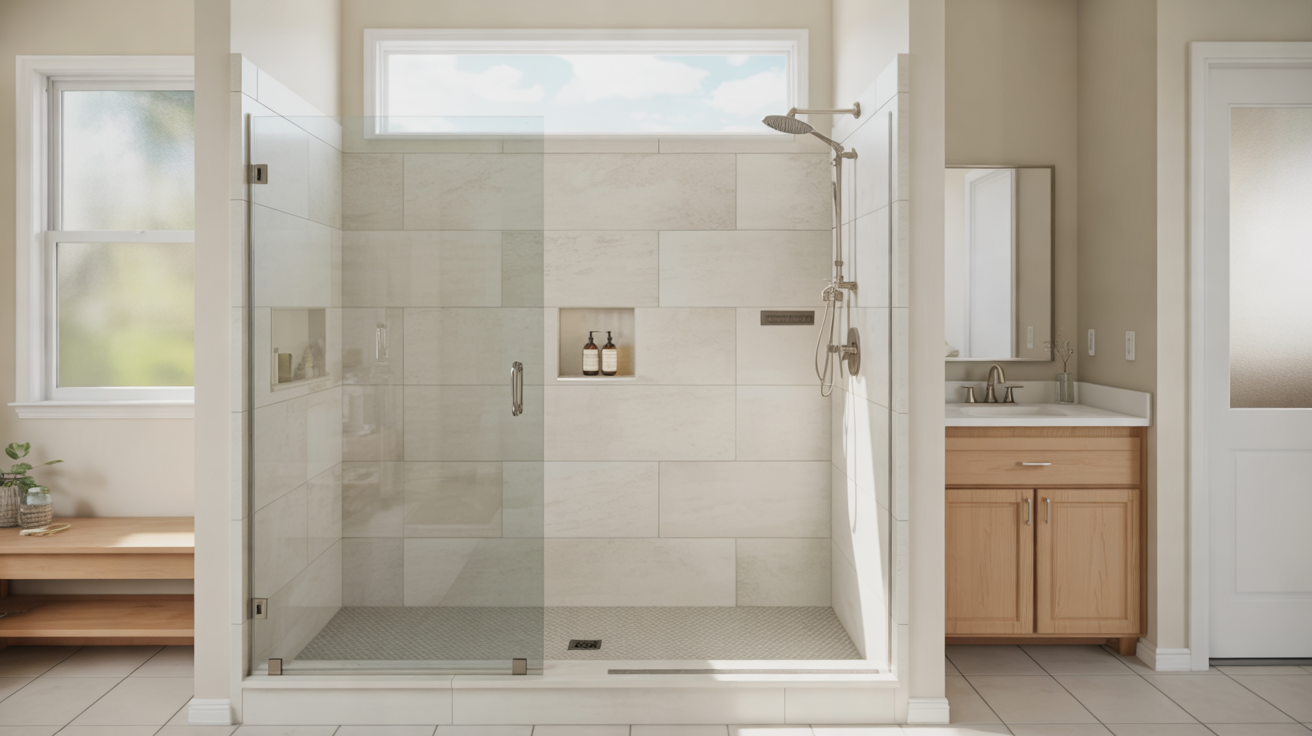
When you replace a shower, you have a rare chance to get behind the walls and under the floor. That is the ideal time to upgrade your drain and plumbing so your new shower looks great, drains quickly, and stays problem-free for years.
This page walks through the most useful shower drain and plumbing upgrades to tackle during a replacement, how they affect cost and timeline, and which ones are worth prioritizing in a typical bathroom remodel.
Why Upgrade Plumbing During a Shower Replacement?
You do not have to keep the old plumbing just because “it still works.” Hidden issues can shorten the life of your new shower or cause water damage later. Upgrading while walls and floors are open offers several advantages:
- Prevents leaks and rot: New fittings, valves, and drain components are less likely to fail behind finished walls.
- Improves drainage: A modern drain assembly sized for current codes helps water clear faster and reduces standing water.
- Supports new layouts: If you are moving the shower head, converting a tub to a shower, or adding body sprays, the plumbing must be updated.
- Prepares for future accessibility: Lower thresholds, linear drains, and upgraded supply lines make later grab bars or benches easier to add.
- Better water pressure and temperature control: New valves and lines help your shower feel more comfortable and consistent.
Key Shower Drain Upgrades to Consider
Drain improvements are some of the most impactful upgrades you can make during shower replacement. They protect your home from water damage and keep the shower comfortable to use.
1. Replace the Entire Drain Assembly
If your shower is being replaced, assume the drain assembly should be replaced too, not just the visible grate. A full drain upgrade often includes:
- New shower drain body and strainer
- New connection between the drain and the waste line
- Fresh waterproofing around the drain (liner, membrane, or integrated pan system)
Old metal drains can corrode or separate from the pan over time. Replacing the whole assembly helps prevent leaks where you cannot see them.
2. Upgrade to a Larger or Code-Compliant Drain
Some older showers have undersized drains or are connected to smaller branch lines. During replacement, a contractor can:
- Confirm that drain size and slope meet current plumbing codes
- Increase the drain size if needed to handle higher-flow shower heads or multiple fixtures
- Correct inadequate pitch in the waste line that causes chronic slow draining
Improved capacity and slope help reduce backups, gurgling, and standing water in the pan.
3. Consider a Linear or Low-Profile Drain
Beyond function, the type and placement of the drain can change how the shower feels and performs:
- Linear drains: Long, narrow drains along one wall or at the entrance allow for a single-direction floor slope and often work well with low-threshold or curbless showers.
- Offset center drains: Moving a traditional round drain out of the main standing area can be more comfortable underfoot.
- Low-profile drains: Sleek designs that integrate with tile or shower pans for a cleaner look.
Changing drain style does require drain line adjustments, but it is far easier to do during a replacement than later.
4. Hair Catchers and Easy-Clean Features
Some modern drains include built-in hair catchers or removable strainers that make routine cleaning simple. Investing in a design that is easy to access and clean can help prevent clogs and reduce the need for harsh chemicals over time.
Water Supply Line and Valve Upgrades
Behind the tile or surround, your supply lines and shower valve do the hard work of delivering water where and how you want it. A replacement project is the best time to modernize them.
Replace Old or Mixed Plumbing Materials
If your home still has older galvanized or mixed metals in the shower walls, upgrading to modern materials can improve reliability and reduce corrosion. A professional can:
- Replace aging or corroded lines feeding the shower
- Use compatible materials and proper fittings to avoid future leaks
- Secure lines correctly to minimize pipe movement and noise
Install a Modern Pressure-Balancing or Thermostatic Valve
Upgrading your shower valve improves both safety and comfort:
- Pressure-balancing valves: Help keep water temperature stable when someone flushes a toilet or runs a sink.
- Thermostatic valves: Let you set and maintain a specific temperature, often with separate volume control.
Many local codes now require scald protection features. Replacing the valve during a shower remodel is far less invasive than opening the wall later.
Add Shutoff Access
Including accessible shutoff valves for the shower (when layout allows) makes future repairs or fixture changes much easier. This might mean a discreet access panel on the back side of the wall or in an adjacent closet.
Drain Venting and Hidden Plumbing Corrections
Not all plumbing problems are obvious from the bathroom side. During a shower replacement, a contractor can often spot and correct issues such as:
- Improper or missing venting that causes slow drainage or gurgling sounds
- Unapproved fittings or sharp turns that trap debris
- Sagging or unsupported pipes that may collect standing water
Correct venting and smooth drain layouts help keep sewer gases out of the home and prevent frequent clogs.
Planning Plumbing Upgrades Around Your New Shower Design
Some design choices require plumbing changes behind the scenes. It is smart to decide on these details before demolition goes too far.
Layout Changes and Fixture Additions
Common layout decisions that impact plumbing include:
- Moving the shower head to another wall
- Adding a handheld shower on a slide bar
- Installing a rain shower head from the ceiling
- Converting a tub-shower combo to a walk-in shower
Each change affects where water lines run, how the valve is configured, and sometimes where drain lines must be relocated.
Accessibility and Aging-in-Place Features
If you are planning a senior-friendly or accessible shower, plumbing upgrades often go hand-in-hand with design choices such as:
- Curbless or low-threshold entries that need precisely sloped floors and drains
- Bench seating that influences where the shower head and handheld sprayer are placed
- Grab bars that may require blocking in walls, coordinated with pipe locations
For more ideas, you can explore accessibility-focused designs on the Senior-Friendly Shower Upgrades page.
Budgeting and Prioritizing Plumbing Upgrades
Not every project needs every possible upgrade. If you are working within a budget, it helps to prioritize.
High-Priority Upgrades
- Replacing an aging or corroded drain assembly
- Correcting leaks, improper slopes, or obvious code issues
- Upgrading valves for temperature safety and reliability
Nice-to-Have Upgrades
- Linear drains or relocated drains for comfort and style
- Additional shower heads or body sprays
- Extra shutoff valves and access panels
For help aligning plumbing options with your overall budget, see the Shower Replacement Cost Guide and the Budget Shower Upgrades article.
Working With a Professional vs DIY
Shower drain and plumbing work affects the structure and safety of your bathroom. Incorrect slopes, poor waterproofing, or unapproved fittings can lead to leaks you do not discover for years.
Hiring an experienced shower contractor helps ensure:
- Drain and supply lines are sized correctly
- Waterproofing integrates properly with the drain system
- Work meets local codes and inspection requirements
If you are weighing your options, the DIY vs Professional Shower Replacement guide explains risks, costs, and typical results for each approach.
FAQs About Shower Drain and Plumbing Upgrades
Do I have to replace the drain when I replace the shower?
It is strongly recommended. The drain assembly connects the visible shower floor to the waste line and waterproofing system. Reusing an old drain can create weak points where leaks are most likely to occur.
Can I switch to a linear drain without moving all the plumbing?
Most linear drains require some reworking of the drain line and floor slope, but not always a complete reroute of plumbing. A professional can evaluate your subfloor, joists, and existing pipe layout to determine what is practical in your bathroom.
Will new plumbing increase my water pressure?
New lines and valves can improve consistency and flow if your old plumbing was restricted by corrosion or undersized piping. However, overall pressure is limited by your home’s water supply and any local flow restrictions on fixtures.
How do plumbing upgrades affect the project timeline?
Basic drain and valve replacements are usually part of a standard shower replacement schedule. More extensive changes, like moving drains or adding multiple shower heads, may add time for rough-in work, inspections, and any needed structural adjustments.
What should I discuss with my contractor before work starts?
Ask about drain type and location, valve options, supply line materials, venting corrections, and how the waterproofing system will tie into the drain. You can use the checklist on Questions to Ask Before Booking a Shower Replacement to guide the conversation.