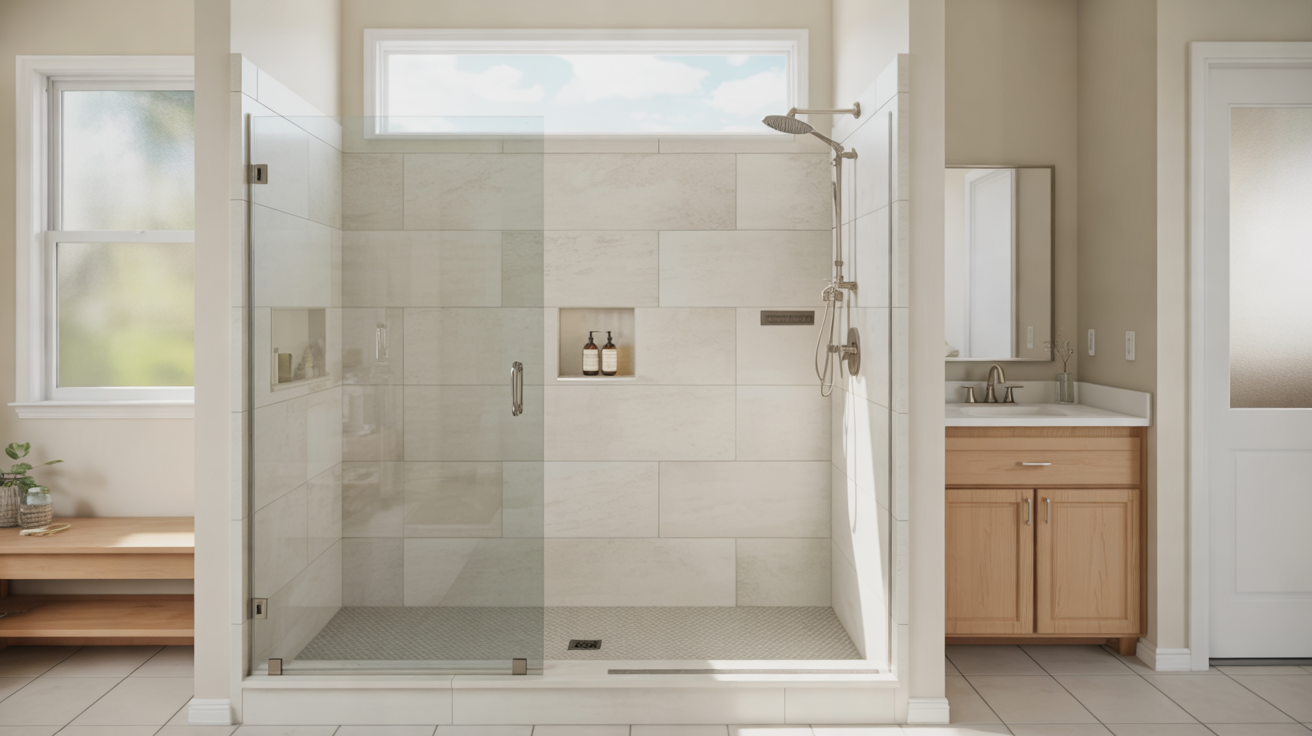
Planning a shower replacement but not sure what it will really cost? This guide breaks down the main price factors, typical ranges, and practical ways to keep your project on budget while still getting a shower you’ll enjoy using every day.
What Does a Shower Replacement Typically Cost?
Actual costs vary by bathroom size, materials, and how much underlying repair work is needed. Most full shower replacements fall into one of these broad ranges:
- Basic replacement: keeping the same layout, using standard materials, and minimal repairs.
- Mid-range upgrade: better finishes, new fixtures, possible layout tweaks or storage improvements.
- High-end remodel: custom tile work, glass enclosures, luxury fixtures, or reworking plumbing and framing.
Instead of chasing one “average” number, it helps to understand which choices push the cost up or down so you can control what you spend.
Main Cost Factors in a Shower Replacement
Every shower project is a mix of materials, labor, and any hidden repairs. Here are the big items that affect your total price.
1. Shower Type and Layout
The style and footprint of your shower play a major role in cost.
- Alcove showers: three-wall layout, common and usually cost-efficient.
- Corner or neo-angle showers: great for small bathrooms, may need custom pans or doors.
- Walk-in showers: popular for accessibility and style, can cost more if walls or drains must move.
- Tub-to-shower conversions: involve removing a tub and installing a walk-in unit; plumbing and wall repairs can add cost.
Keeping the same footprint and drain location almost always keeps costs lower than changing the layout. For more details on different layouts, see Types of Shower Systems: Walk-In, Alcove, Corner and More.
2. Shower Base (Pan) Materials
Your shower base can be a ready-made unit or a custom build:
- Acrylic or fiberglass pans: most budget-friendly, quick to install, less customizable in size and shape.
- Solid surface or composite bases: mid-range, durable, more color options.
- Custom tiled shower floors: higher cost due to extra labor and waterproofing, but very flexible in size and design.
Non-slip performance matters, too. If safety is a concern, review Non-Slip Shower Flooring Options for Safer Bathrooms before choosing.
3. Wall Surround Materials
Shower walls are one of the biggest cost drivers and design decisions.
- Acrylic or fiberglass surrounds: cost-effective, often available as three-piece or one-piece units.
- Waterproof wall panels: mid-range, large panels with fewer seams, can mimic stone or tile.
- Tile surrounds: can range from affordable ceramic to high-end porcelain or stone, but always more labor-intensive.
Each option has different price, maintenance, and style benefits. See Shower Wall Surrounds: Solid Surface, Panels and Tile Compared and Tile vs Acrylic Showers: Which Is Better for Your Bathroom? for deeper comparisons.
4. Glass Doors vs. Curtains
Enclosures range from basic curtains to custom glass:
- Shower curtains: lowest material cost and easy to replace.
- Framed glass doors: typically more affordable than frameless, come in standard sizes.
- Semi-frameless or frameless doors: higher-end look, thicker glass, and more customization.
Maintenance and long-term performance matter as much as price. For a closer look, visit Glass Shower Doors vs Shower Curtains: Cost and Maintenance.
5. Plumbing and Drain Work
Moving or updating plumbing can significantly impact your budget.
- Keeping the drain and valves in the same place tends to cost less.
- Older homes may need new valves, updated piping, or code upgrades.
- Adding extra showerheads or body sprays increases both material and labor costs.
It can be cost-effective to upgrade the drain and rough plumbing while walls are open. See Shower Drain and Plumbing Upgrades to Do During Replacement for ideas.
6. Fixtures, Storage, and Accessories
Smaller items add up but also improve daily comfort:
- Showerheads, handheld sprayers, and valves in basic, mid-range, or luxury lines.
- Built-in niches, corner shelves, or benches.
- Grab bars and seating for accessibility and safety.
- Lighting and ventilation improvements; see Shower Lighting and Ventilation Upgrades During Replacement.
Decide which features you’ll use every day, and which you can skip or add later.
Ways to Save Money Without Sacrificing Quality
Staying on budget often comes down to design discipline and smart planning. These strategies can keep costs in check.
Stick With the Existing Layout
Relocating walls, drains, or major plumbing lines quickly raises labor costs. When possible, keep your shower in the same spot and work within the existing footprint.
Choose Value-Focused Materials
- Consider an acrylic or solid-surface base instead of a fully tiled floor.
- Use large-format wall panels or larger tiles to reduce grout lines and labor.
- Opt for mid-range fixtures that offer reliability without premium pricing.
For more ideas on stretching your budget, visit Budget Shower Upgrades: Affordable Ways to Refresh Your Shower.
Prioritize Function Over Extras
Focus spending on waterproofing, a sturdy base, and quality valves. Luxury features like multiple body jets or high-end stone can be trimmed if needed to protect your core budget.
Time the Project Wisely
Planning ahead helps you compare quotes and avoid rush decisions. Read Step-by-Step Shower Replacement Process: From Demo to Final Inspection and How to Prepare Your Bathroom for a Shower Replacement Project so you’re ready when work begins.
Budgeting Steps for Your Shower Replacement
Use these steps to build a realistic budget and avoid surprise expenses.
-
Define your must-haves and nice-to-haves.
List the functional necessities first (waterproofing, safety, durability), then extras (niches, glass style, upgraded tile). This makes trade-offs easier if quotes come in high.
-
Set a target budget and a small contingency.
Decide what you’re comfortable spending, then add a buffer (for example, 10–15%) for possible hidden issues like water damage behind walls.
-
Get multiple detailed quotes.
Ask each contractor to separate labor, materials, and optional upgrades. Our checklist at Questions to Ask Before Booking a Shower Replacement can help you compare proposals fairly.
-
Decide on DIY vs. professional work.
Some homeowners handle painting or simple demo, but waterproofing and plumbing are usually best left to pros. Learn about risks and cost differences in DIY vs Professional Shower Replacement: Risks, Costs and Results.
-
Explore payment and financing options.
If you prefer to spread out costs, see Shower Remodel Financing Options and Payment Plans for common approaches.
Hidden Issues That Can Affect Cost
Some cost increases only appear once your old shower is removed. Common surprises include:
- Water damage: rot, mold, or soft subfloor from long-term leaks.
- Outdated plumbing: old valves, corroded pipes, or lines that don’t meet current codes.
- Structural repairs: damaged studs, framing, or improper previous installations.
Experienced contractors will explain potential risks up front and how they handle change orders. For more on what can go wrong and how pros address it, see Common Shower Replacement Problems and How Pros Fix Them.
Planning for Long-Term Value
Sometimes spending a little more now can save money over the life of your shower.
- Low-maintenance materials reduce cleaning time and future repairs. Learn more at Low-Maintenance Shower Materials That Resist Mold and Mildew.
- Water-saving fixtures can cut utility bills; see Eco-Friendly Shower Upgrades: Water-Saving Fixtures and Materials.
- Accessibility features like grab bars and seating can help you stay in your home longer. Visit Senior-Friendly Shower Upgrades: Grab Bars, Seating and Non-Slip Floors and Walk-In Shower Replacement: Safety, Accessibility and Style.
- Proper maintenance extends the life of your new shower. See How to Clean and Maintain Your New Shower for Long-Lasting Results.
Frequently Asked Questions About Shower Replacement Costs
How can I get a more accurate cost estimate for my bathroom?
The most accurate estimate comes from an in-home assessment where a professional can inspect plumbing, measure the space, and discuss materials. Detailed quotes should outline labor, materials, and any allowances for tile, fixtures, or glass. To learn how to evaluate contractors, visit How to Choose the Right Shower Contractor for Your Project.
Are one-day shower replacements cheaper?
One-day systems can be cost-competitive for straightforward projects, especially when using prefabricated bases and surrounds. However, they may not be the best fit if you want major layout changes or fully custom tile work. For pros and cons, see One-Day Shower Replacement: Is It Worth It?.
Do warranties affect cost?
Products or installations with stronger warranties sometimes cost more up front but can protect you from future expenses. Always read the fine print on what is and isn’t covered. For guidance, review Shower Replacement Warranties and What They Really Cover.
Is a walk-in shower more expensive than a tub-shower combo?
Walk-in showers often cost more due to extra waterproofing, tile, and glass. However, in some homes, converting a little-used tub to a walk-in shower can add daily convenience and long-term value. Compare options at Walk-In Shower vs Tub-Shower Combo: Pros, Cons and Costs and Tub-to-Shower Conversion: Costs, Timelines and What to Expect.
Where can I learn more before starting?
For more educational resources on planning, budgeting, and design ideas, explore the Blog or learn about the company at the About page. When you are ready to discuss your project, visit the Contact or Get Started pages.