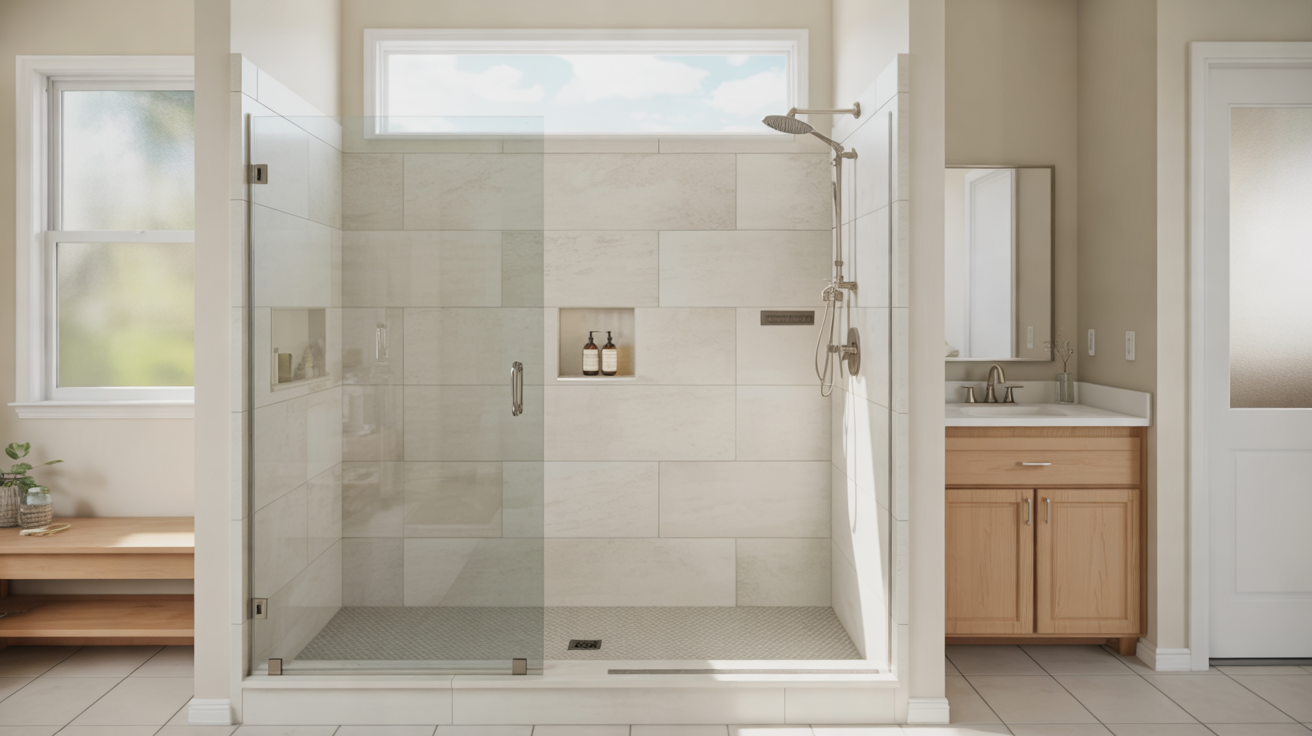
Why Shower Replacement Warranties Matter
When you invest in a new shower, the warranty is your safety net. It’s what protects you if materials crack, finishes peel, or fixtures fail earlier than they should. But shower replacement warranties are not all the same, and the fine print can be confusing.
This page breaks down common warranty terms, what is usually covered, what typically is not, and how to compare different warranty offers before you move forward with a shower replacement.
Types of Warranties You May See
A complete shower replacement often involves more than one warranty. You might have coverage from the manufacturer, the installer, and sometimes from additional products like glass or plumbing fixtures.
1. Manufacturer Material Warranty
This covers the products used in your shower: walls, base or pan, doors, hardware, and sometimes fixtures. It usually protects against defects in materials or manufacturing.
- What it may cover: Cracks, warping, bubbling, peeling, premature discoloration, or failure of seals caused by a defect—not by misuse.
- Length: Anywhere from a few years to “lifetime,” depending on the brand and material (for example, acrylic, solid surface, or tile systems).
- Limitations: Often applies only to the original purchaser, and only if the products were installed correctly and maintained as directed.
2. Workmanship or Installation Warranty
This warranty is offered by the contractor that installs the shower. It covers problems caused by installation errors, not by product defects.
- What it may cover: Leaks from improper sealing, loose fixtures caused by incorrect mounting, uneven pans, or misaligned doors due to poor installation.
- Length: Commonly 1–5 years, but it varies by contractor.
- Limitations: Usually void if someone else alters the work, if you do major DIY changes, or if there is structural movement in the home.
3. Finish and Hardware Warranty
Shower doors, handles, hinges, and some fixtures often carry separate finish or hardware warranties from their own manufacturers.
- What it may cover: Premature corrosion, pitting, peeling of coatings, or broken moving parts under normal use.
- Length: Often 1–10 years; some finishes may advertise longer coverage.
4. Plumbing Fixture Warranty
If your shower replacement includes new valves, showerheads, or controls, those parts may be covered under a plumbing fixture manufacturer’s warranty.
- What it may cover: Cartridge failures, leaking valves, or defects in the body of the fixture.
- Requirements: Proper installation and water conditions that meet the manufacturer’s guidelines.
What “Lifetime” and Other Terms Usually Mean
Wording on warranties can be confusing. Here are some common terms and how they are often used in the shower industry.
| Term | What It Commonly Means |
|---|---|
| Limited Lifetime | Covers certain defects for as long as the original owner owns the home; not all issues are included. |
| Transferable | Can be passed to a new homeowner, often with conditions and sometimes a small transfer fee. |
| Pro-Rated | Certain costs (like replacement materials) are only partially covered as the product ages. |
| Parts Only | Manufacturer supplies new parts, but labor to remove and reinstall them is your responsibility. |
| Labor Included | Both materials and reasonable labor costs to fix the issue are covered, typically within a time limit. |
Common Things Shower Warranties Do and Don’t Cover
Typically Covered
- Material defects: Cracking, warping, blistering, or splitting not caused by impact or misuse.
- Premature finish failure: Peeling coatings, unusual discoloration, or corrosion that happens under normal cleaning and use.
- Installation-related leaks (if workmanship is warrantied): Water escaping from seams, joints, or drains due to flawed installation methods.
Common Exclusions
- Normal wear and tear: Light scratching, minor fading over many years, or silicone that needs to be refreshed over time.
- Mold and mildew from poor ventilation: Warranties usually expect you to use fans and keep surfaces reasonably dry.
- Damage from harsh chemicals or abrasive cleaners: Bleach, ammonia mixes, scrub pads, and other forbidden products can void coverage.
- Improper use or abuse: Standing on soap dishes, hitting panels with heavy objects, or overloading grab bars beyond their rating.
- Previous or unrelated home issues: Structural movement, foundation problems, or plumbing leaks behind the wall that were not part of the shower work.
How to Compare Shower Replacement Warranties
When you are collecting quotes, the warranty should be part of your decision-making process along with design, materials, and price. You can learn more about comparing installers on the page How to Choose the Right Shower Contractor for Your Project, but here are some warranty-focused tips.
Key Questions to Ask
- Is there a separate warranty for materials and for installation labor?
- What exactly does “lifetime” mean in this contract, and whose lifetime?
- Is the warranty transferable if I sell my home?
- Does the warranty cover both parts and labor to fix issues?
- What maintenance do I need to perform to keep the warranty valid?
- What types of cleaners are approved or prohibited?
- How do I file a claim, and what documentation do I need?
You can find more helpful questions on the guide Checklist: Questions to Ask Before Booking a Shower Replacement.
Staying Within the Warranty: Maintenance and Use
Most shower warranties assume that you will follow basic care and maintenance instructions. Ignoring those requirements can reduce or void your coverage.
- Follow cleaning guidelines: Use only the cleaners and tools recommended by the manufacturer to protect surfaces and finishes.
- Address small issues early: Reseal small gaps in caulk or grout when they appear, and report unusual cracks or leaks quickly.
- Use the exhaust fan: Proper ventilation helps prevent moisture problems that are rarely covered by warranty terms.
- Avoid unauthorized modifications: Drilling new holes, moving plumbing, or changing doors without professional help can affect coverage.
For more maintenance tips that support long-term performance, visit How to Clean and Maintain Your New Shower for Long-Lasting Results.
Frequently Asked Questions About Shower Warranties
Do shower warranties cover water damage to floors or walls?
Coverage for secondary water damage (like damaged subflooring or drywall) is usually limited. Many warranties focus on repairing or replacing the shower components themselves. Homeowners insurance may be involved if there is extensive water damage. Read your documents carefully to see how these situations are handled.
What happens if I hire one company for materials and another for installation?
In that case, your material warranty generally comes from the manufacturer, and your workmanship warranty comes from the installer. If a problem appears, each party may review the issue to determine whether it is a material or installation problem. Clear documentation and communication are important in these situations.
Can a DIY installation keep the manufacturer’s warranty?
Some manufacturers allow DIY installation, but many require professional installation or specific training for full warranty coverage. If you are considering DIY, confirm the warranty terms beforehand. For a broader look at the tradeoffs, see DIY vs Professional Shower Replacement: Risks, Costs and Results.
Are “one-day” shower replacements covered differently?
One-day shower systems use specific materials and installation methods, so they come with their own set of warranties. Coverage can be comparable to multi-day projects, but details vary by brand and installer. It is important to ask the same questions about materials, workmanship, and exclusions. For more context, see One-Day Shower Replacement: Is It Worth It?.
How does a warranty affect total project cost?
Projects backed by stronger warranties are not always the cheapest option up front, but they may reduce the risk of paying out-of-pocket for repairs later. When you compare quotes, weigh the length and quality of coverage along with materials, design, and installation approach. The Shower Replacement Cost Guide can help you balance budget and value.
Next Steps Before You Commit
Before signing any agreement for a shower replacement, read the warranty paperwork all the way through and ask for clarification on anything unclear. Keeping copies of invoices, product labels, and care instructions will make it easier to use your warranty if you ever need it.
If you are still learning about your options, you can explore related topics like Step-by-Step Shower Replacement Process: From Demo to Final Inspection or visit the blog for more planning resources.